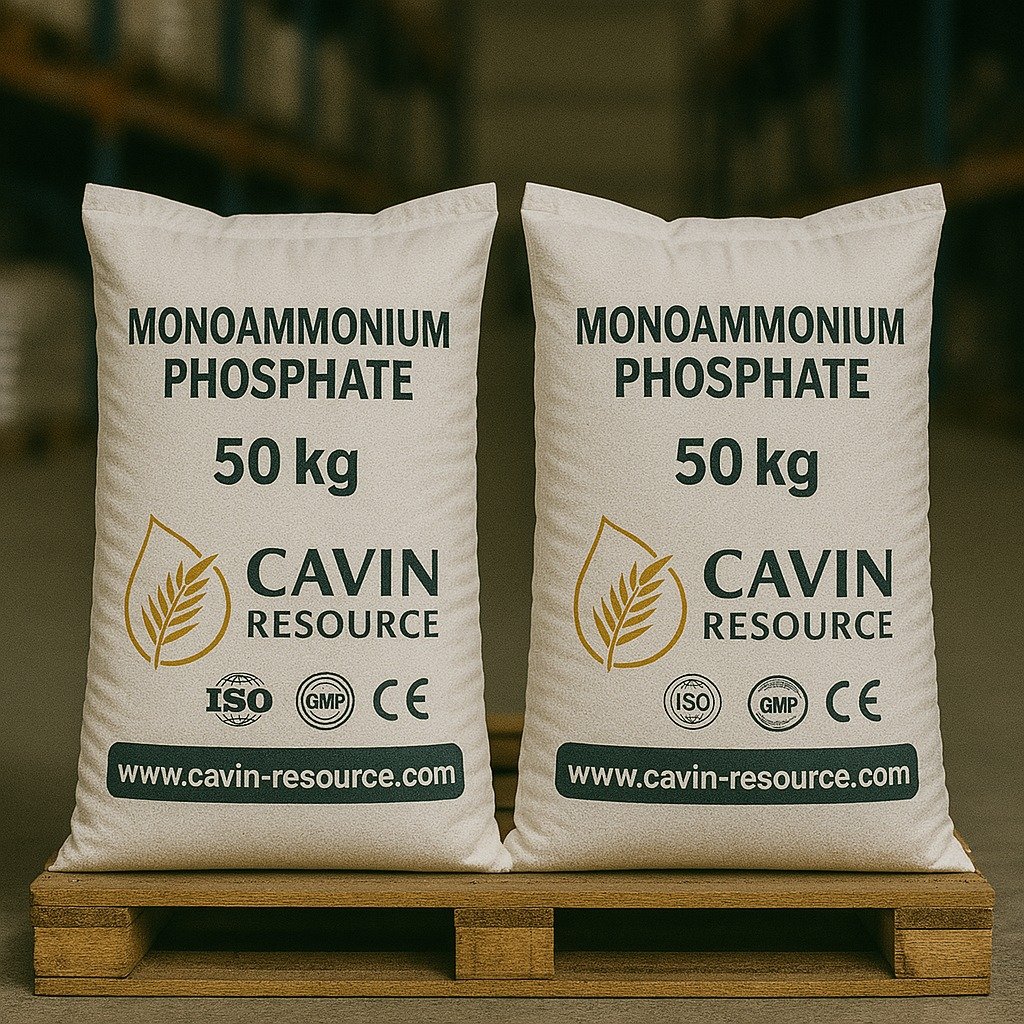
Monoammonium ammonium phosphate (MAP denotes a highly concentrated soil amendment prized for its particular composition . This granular product , typically referred to as 11-52-0 , delivers substantial amounts of phosphorus – vital for crop development – alongside a moderate level of N . The lack of potassium leads to its specialized role in agriculture where phosphorus demands are critical .
The Is 11-52-0 Fertilizer? A Detailed Guide
11-52-0 plant food is a specific form of formula primarily used to support phosphorus absorption in plants. The numbers, 11-52-0, show the percentage by weight of nitrogen, P2O5, and potassium, respectively. Essentially, it contains 11% N, a substantial 52% P, and 0% potassium. This phosphorus-rich content makes it particularly valuable for rooting young seedlings and correcting phosphorus shortages in the earth. While it offers significant benefits, remember that it lacks potassium, so a complete plant food may be needed for overall crop health.
NPK 11-52-0: Perks and Employments in Farming
MAP 11-52-0, or Monoammonium Phosphate , is a valuable fertilizer frequently used in modern agricultural practices . Its unique composition – containing 11% nitrogen and 52% P2O5 – provides critical ammonium phosphate state of matter nutrients for crop growth and progress. Farmers often use MAP 11-52-0 to enhance root development, stimulate early fruiting, and improve overall output .
- Promotes robust root systems.
- Crucial for early crop development.
- Facilitates in yielding high-quality produce .
Releasing the Potential of Monoammonium Phosphate Fertilizer
MAP offers the chance for enhancing plant output. Its high levels of both P and nitrogen makes it an ideal choice for diverse producers, particularly in initial stages of growth . Proper delivery of monoammonium phosphate can lead to healthier plant growth and improved overall crop performance.
MAP Fertilizer
Monoammonium phosphate (11-52-0) is a key nutrient source renowned for its effectiveness to maximize agricultural yields . This unique mixture delivers a significant concentration of P - essential for root structure and vigorous emergence - alongside a moderate amount of nitrogen for strong foliage development . Using MAP appropriately can lead to marked advantages in overall plant health .
This Phosphate Fertilizer {11-52-0: Your Inquiries Resolved
Many producers have concerns about Monoammonium Phosphate, particularly regarding its composition of 11-52-0. Essentially, this represents the percentage of total nitrogen, phosphorus pentoxide, and potassium oxide respectively. It’s a highly easily dissolved source of P, crucial for root development and blooming. Here's some common issues:
- What does the upside of using MAP? It offers a concentrated dose of phosphorus, which can be particularly helpful in soils deficient in phosphorus.
- How must apply MAP? It’s typically applied and worked into the soil, or used in band applications systems.
- Can combine MAP with other nutrients? While mixable with some, always check suitability to avoid issues.
Note that a soil analysis is always advised to determine the precise nutrient needs of your plants.